Unattended Death Cleanup
Cleanup when a death went unnoticed for days, with decomposition and odor control.
See unattended death cleanupRemove decomposition odor at the source in a home, apartment or rental in Bridgetown. Cleanup can include contaminated material removal, disinfection, air filtration and careful sorting of belongings.
Death odor removal is a cleanup process that targets decomposition residue and impacted materials before treating odor left in the air. It removes rather than masks the smell, addressing the affected air as well as its source.
Decomposition creates odor that may spread out of the room where someone was found. Carpet, upholstered items, wall cavities, and heating or cooling equipment can hold it. Simply applying a deodorizer will not correct this. Finding and removing the source must come first.
Before cleanup, the medical examiner or coroner, law enforcement or another responsible authority needs to release the property. The crew's inspection covers the affected area as well as surrounding spaces. Hidden contamination is traced, and belongings are divided between clean and affected items. Absorbent materials may need to come out when fluids have entered them. In many cases, hard and non-porous surfaces can instead be cleaned and disinfected.
After source removal, odor remediation may include hydroxyl treatment, controlled ozone treatment or HEPA air filtration. Method choice depends on the affected materials, building conditions and whether the treatment space can remain unoccupied. Professional cleaning services should clarify why the recommended method fits the building.
During a difficult time, your privacy is protected by crews arriving in unmarked vehicles, with calls answered both day and night.
Keepsakes, documents and unaffected belongings are set aside for your decisions instead of being discarded without your knowledge.
The pre-cleanup discussion tells you what areas need work and which materials might remain or be taken out.
Photos, the cleanup scope and disposal records can be organized for your insurance company, landlord or property manager so you can move forward.
You may need death odor cleanup when decomposition fluids have reached part of the property, or when smell remains after removal of the deceased. Common examples are:
The impacted unit requires cleaning for a landlord or property manager before painting, repair work or future occupancy.
Fragrance, paint or surface cleaning did not work because contamination remains under flooring, inside a wall cavity or in another hidden area.
Odor soaked into personal property, furniture, drywall, subfloor or carpet, possibly along with residue hidden from view.
A person was not found right away, and decomposition affected a bedroom, bathroom, living area or the materials below it.
You can protect yourself and the property by limiting entry and waiting for the official release. Share these details with cleanup technicians before death odor remediation begins:
Call (888) 440-9227The guide from BioCleaners Directory lists death odor removal at $500 to $1,500 in a mild case, $1,500 to $3,500 with moderate odor, and $3,500 to $6,000 with severe odor. An extreme case involving structural work is listed at $6,000 to $15,000 in the guide. Your total is affected by the source, the materials involved and the distance contamination spread.
These national ranges are taken from published cost guides, rather than a property visit. The price for your property is set after the on-site assessment, and you hear it before work starts.
Ask about cost: (888) 440-9227Homeowners, renters or landlord insurance may cover death odor cleanup when the policy covers the event, but coverage, deductibles and exclusions vary by policy. Property owners should report the loss before repairs begin when possible.
Homeowners or renters insurance, the estate or the property owner usually pays for this kind of cleanup. The Ohio crime victim compensation program helps only when a crime caused the loss.
In rental housing, arrangements for building cleanup are commonly made by the manager or property owner. A different determination may apply to responsibility for personal items.
Find out which cleanup plans, repair information, disposal documentation and photographs your adjuster requests. Save receipts alongside your insurance claim number.
Notify your insurance company as soon as possible. Ask whether your coverage includes biohazard remediation, treatment for odor, removal of damaged structural materials and repairs.
A source-first approach guides death odor removal. Before any air treatment, cleanup and removal of affected material take place because equipment cannot resolve contamination that remains within the structure. Clean spaces are kept apart from the work zone during every stage.
Inspection covers affected rooms, nearby spaces, contents, floor perimeters and air returns to map possible odor and residue travel.
Containment separates rooms being cleaned from clean areas. Air movement is controlled, and crew members use protective gear and equipment suited to the exposure.
Removal starts with visible residue. Items that cannot be completely cleaned are removed, including carpet, padding, mattresses, upholstered furnishings, drywall and sections of subfloor.
Remaining hard surfaces are cleaned, then treated with an EPA-registered disinfectant for the full contact time listed on its label.
Air within the affected area passes through HEPA scrubbers. A suitable treatment, such as hydroxyl, may target smell left behind following source removal.
To prevent airflow from spreading the problem, crews check the affected area and nearby accessible registers and ventilation parts for residue and odor.
Applicable local and state regulations guide how affected materials are packaged, marked and taken away for disposal.
The affected space receives a follow-up inspection once treatment ends. For every step, documentation lists what crews cleaned and removed, plus any remaining repair work.
You can call anytime. A specialist in death odor removal takes your call, explains each step and agrees on a start time with you.
Smell can indicate that the source has not been fully removed. The serious health risks come from decomposition fluids, hazardous material and contaminated contents, which may expose you through contact or spread into clean parts of the property.
Odor can remain in porous contents, floor gaps, wall cavities and ventilation components. Treating the air without removing these sources allows the smell to return.
Materials contaminated with bodily fluids need controlled packaging and hazardous waste disposal under applicable medical waste rules. Ordinary residential trash is not appropriate for them.
Fluids can pass through carpet and pad, follow seams, and soak into wood, subfloor or drywall. You cannot tell what lies below by looking at a clean surface.
Can you clean it yourself? Odor intensity cannot tell you if a space is safe. Contamination inside a porous item or below the floor may still produce only a weak odor. Arrange for professional assessment and keep the area shut if fluids were left after a death or the source is unknown.
Contained cleanup for death odor can take one to three days at the property. It may last longer if the smell reached multiple spaces, fluids penetrated the building structure, or flooring and wall removal is followed by separate repair work.
| Scene | Typical time on site |
|---|---|
| Mild odor without any structural material being removed | Often one day |
| One affected room with absorbent materials removed | Often one to three days |
| Several areas or structural contamination | Several days, plus repair time |
Locating all affected materials is the first step in removing odor from decomposition. Source removal cannot be replaced with paint, fragrance or fogging. Any carpet, furniture, drywall or subfloor that absorbed fluids has to be removed or completely cleaned before treatment of the air.
Airborne particles can be captured by HEPA scrubbers as cleanup proceeds. Remaining odor may be treated with hydroxyl when that method is appropriate. Strict controls are required for ozone since it can irritate your lungs. People, plants and pets must leave the treatment area, then wait for proper ventilation before entering again.
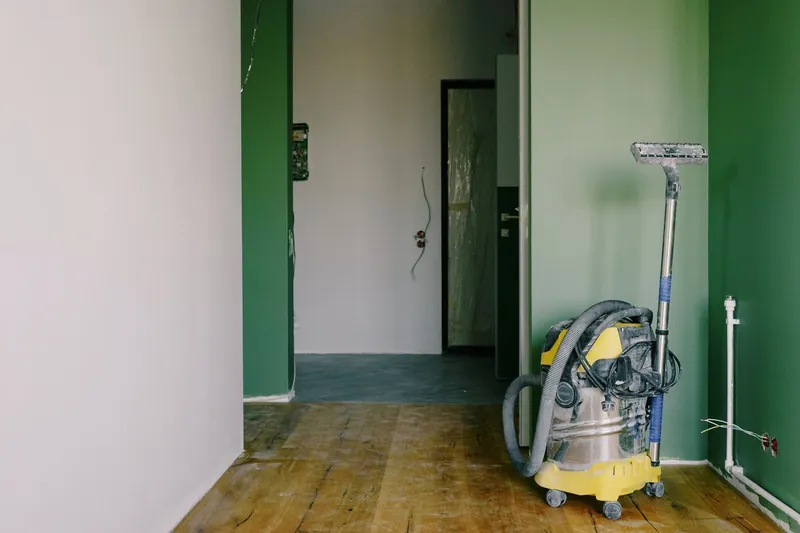
The OSHA Bloodborne Pathogens Standard, 29 CFR 1910.1030, governs protective equipment, training and exposure control for workers where blood could be present.
A disinfectant should be registered by the EPA for its intended use and remain visibly wet for the full contact time stated on the product label.
Ohio treats soaked materials from a biohazard scene as infectious waste. Ohio EPA's Division of Materials and Waste Management rules control how it is packaged, transported and treated, so it cannot go in household trash.
Ohio investigates deaths through county coroners, who are physicians, and a small number of county medical examiners, with no single statewide office. Cleanup starts after police or the coroner release the scene.
The full death odor removal guide covers what is cleaned or removed, odor and air quality work, and the rules that apply in Ohio and Hamilton County.
Read the full death odor removal guide
Local population patterns, housing and site access may affect how containment and cleanup are planned.
The 10.3% renter share suggests many residents can make direct decisions about removing contaminated flooring, walls, or personal items.
The local median home dates to 1962, making a room by room material assessment more useful than one cleaning method everywhere.
About 986 older residents live alone in Bridgetown, representing 33.5% of seniors and making regular welfare checks especially meaningful.
In an area with 81.1% single-family housing, sewage or fluids may reach lower levels through stairs, drains, and utility openings.
Your phone conversation can include questions about service in nearby ZIP codes and communities.
Cleanup when a death went unnoticed for days, with decomposition and odor control.
See unattended death cleanup
Home cleaning following a death includes affected possessions as well as fluid and odor cleanup.
See death cleanup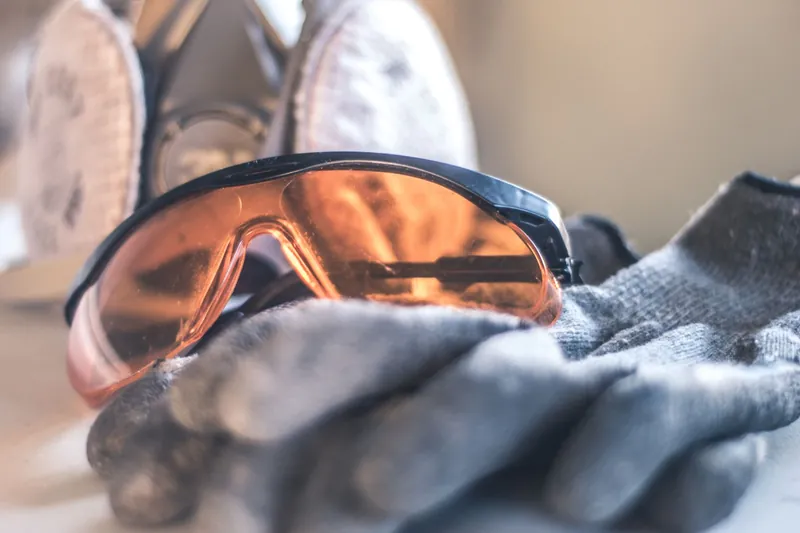
Floors, underlying subfloors and furniture are cleared of decomposition fluids.
See decomposition cleanup
Care for the family's home guides cleanup when a death has been found quickly.
See attended death cleanup
Estate cleanout after a death, with sorting of belongings and safe removal.
See estate cleanout after a death
Blood, body fluids and other infectious materials are removed, followed by property disinfection.
See biohazard cleanup
Following accidents, violence or injuries, trauma scene cleanup addresses the affected area.
See trauma scene cleanup
Rental property biohazard cleanup covers hotels and Airbnb units as well as rentals.
See hotel, airbnb and rental biohazard cleanupReliable odor removal begins by taking out the source. Removal could include carpet and pad, subfloor, drywall or impacted furnishings. Remaining hard surfaces are cleaned and disinfected, then air scrubbers and a suitable odor treatment address what remains. Decomposition smell cannot be eliminated with fragrance by itself.
Responsibility varies with what needs cleaning and the terms of the policy and lease. Cleanup of the rental and its structural materials is commonly arranged by a property manager or landlord. Responsibility for belongings may fall to the family or estate. Both parties should contact their insurance companies before belongings or materials are taken out.
Keep people away from the affected area and wait for authorities to release the property. With containment in place, crews discard non-disinfectable materials, remove decomposition residue, clean surfaces closely, complete medical waste disposal and treat the air. You can stay outside and avoid sorting affected possessions alone.
A homeowners, renters or landlord policy may cover biohazard cleanup, odor treatment and damaged materials when the event is covered. Policy exclusions and deductibles apply. Tell the insurance company about the loss without delay when possible. Check with the adjuster about required documentation before starting cleanup or repairs.
Ranges in the BioCleaners Directory guide are $500 to $1,500, for mild odor, $1,500 to $3,500, for moderate odor, $3,500 to $6,000, for severe odor and, for extreme odor involving structural work, $6,000 to $15,000. Job pricing depends on removal needs and the size of the affected area.
After scene release, arranging cleanup commonly falls to an estate representative, family member, landlord or property owner. Professional cleanup crews can take away both odor and contamination. A separate contractor may replace flooring, drywall or other building materials removed during remediation.
Crews carry out respectful, discreet death odor removal, arrive in unmarked vehicles and take calls 24 hours a day.